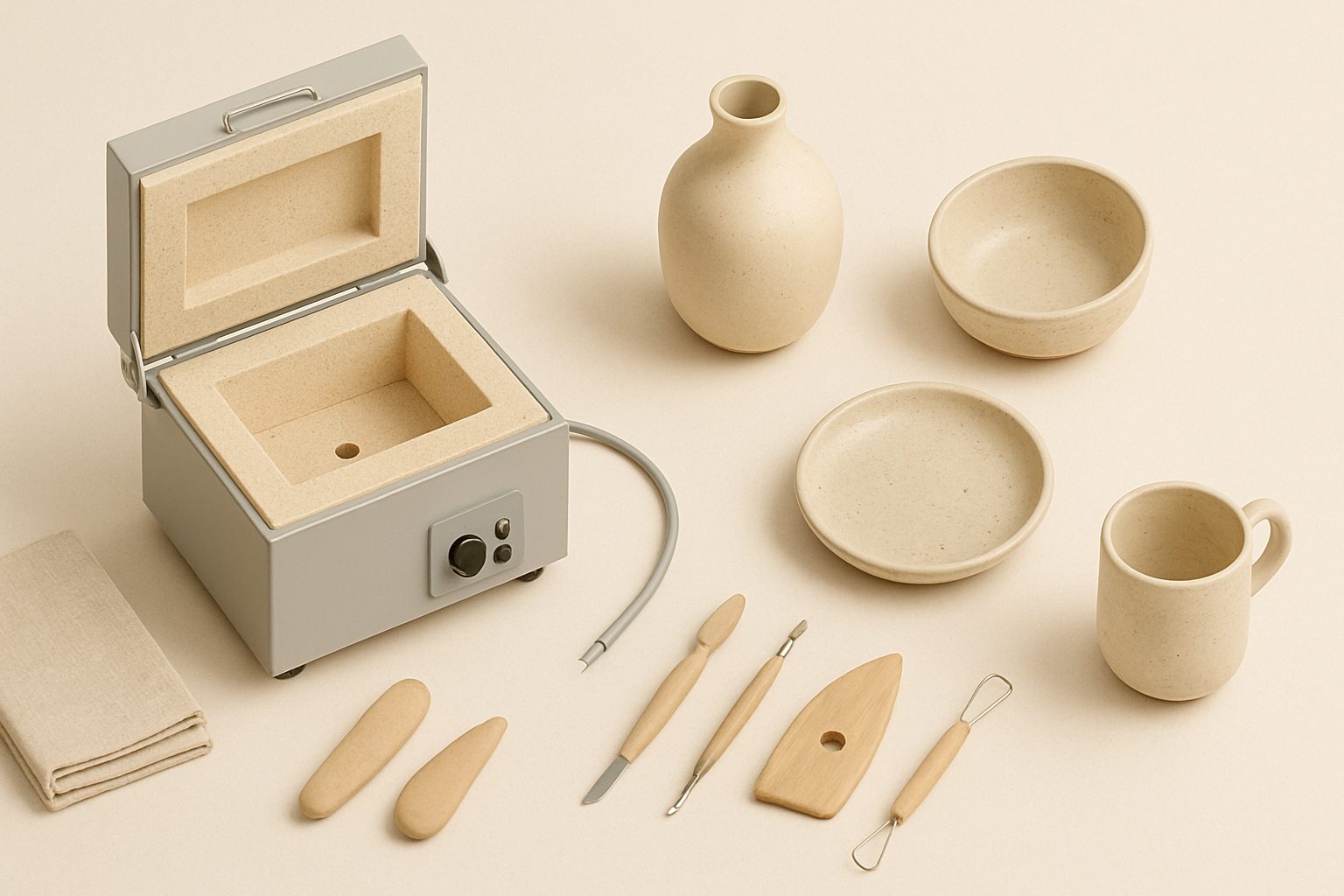
Where to Buy a Ceramic Kiln in the UK – Retailers, Marketplaces & Second-Hand Tips
Finding the right place to buy a ceramic kiln in the UK depends on your budget, space, and what kind of pottery work you're planning. Whether you're setting up a home studio for the first time or upgrading equipment, you've got several solid options—each with different trade-offs on price, support, and reliability.
Specialist Pottery Suppliers
The safest route for beginners and serious hobbyists is going through dedicated pottery retailers. These suppliers understand kiln specifications, can advise on electrical requirements, and often provide basic setup guidance.
Potclays is probably the most recognisable name in UK pottery supplies. Based in Stoke-on-Trent, they stock a range of kilns from compact desktop models upwards, alongside clay, tools, and glazes. Their kilns tend toward mid-range pricing (£800–£3,500 depending on size and type), and the advantage is you're buying from people who actually use and understand the equipment they sell. They'll answer questions about kiln venting, electrical installation, and firing cycles before you buy. Delivery can take a few weeks depending on stock, which is worth factoring in.
Bath Potters Supplies operates similarly but with a slightly smaller selection. They're useful if you want personalised advice—you can speak to actual potters rather than general retail staff. Their pricing is competitive with Potclays, and they tend to stock reliable workhorse models rather than cutting-edge equipment.
CTM Potters focuses on equipment for both hobbyists and small production studios. They often stock refurbished kilns alongside new stock, which can represent decent value if you're comfortable buying ex-display or returned items. Ask about warranty coverage on refurbished units—it varies.
All three suppliers are worth ringing before ordering, especially if you're buying anything over £2,000. Many will discuss electrical installation requirements, space constraints, and whether a particular model suits your type of work (sculptural, functional ware, etc.).
Amazon UK and General Marketplaces
Amazon UK stocks kilns, though the selection is more limited than specialist retailers and quality control is more variable. Small kiln models (typically 40–60 litre capacity, priced £400–£1,200) are more common here than larger units.
The advantage is speed—you'll often get delivery within a week, and returns are straightforward if something arrives damaged. The downside is less technical support and a higher chance of buying something with unclear specifications. Read reviews carefully, especially complaints about temperature unevenness or slow heating. If a budget-brand kiln has dozens of reviews mentioning poor temperature control, that's a red flag worth taking seriously.
For models under £800, Amazon can be competitive. For anything more expensive, you're usually better served going direct to a pottery supplier where you can discuss longevity and get proper support.
Second-Hand and Online Marketplaces
eBay remains the biggest second-hand kiln market in the UK. You'll find everything from vintage electric kilns (sometimes decades old but surprisingly functional) to barely-used units from people who lost interest in pottery. Prices can be genuinely good—expect 30–50% off retail for kilns a few years old and in working order.
The catch is inspection. Always ask the seller whether the kiln fires evenly, whether they have the original instruction manual, and how many firing hours it's seen. Request photos of the heating elements and interior—visible cracks in the kiln shelf or discoloured elements suggest age and potential problems ahead.
Red flags when buying second-hand:
- Seller can't demonstrate it actually fires (they should have photos or be willing to fire it for you before collection)
- Missing instruction manual or unable to provide basic specifications
- Visible cracks in the kiln interior or damaged door seals
- Seller rushing you or unwilling to answer technical questions
- Kiln has been stored damp for months—corrosion inside is hard to spot until you've owned it
- Electrical elements that look heavily oxidised or discoloured (suggest past overfiring or imminent failure)
Facebook Marketplace and local community groups are worth checking, especially if you want to inspect in person before buying. The advantage is you can see and test equipment directly, and you're not paying shipping on something heavy (kilns weigh 50–150kg typically).
What to Check Before Committing
Regardless of where you buy, ask about:
- Dimensions and weight: Will it fit your space? Do you need to reinforce flooring?
- Electrical requirements: Does your home electrics handle it? Some larger kilns need 32-amp circuits.
- Warranty: Specialist suppliers typically offer 1–2 years; second-hand has none.
- Replacement parts availability: For older models especially, check whether elements and shelves are still available.
- Firing temperature range: Does it reach cone 6, 10, or whatever you need?
Starting with a smaller kiln (30–60 litres) makes sense unless you're doing production work. You'll learn how to maintain it, understand venting and electrical needs, and won't have wasted thousands if pottery turns out to be a temporary interest.
Specialist UK suppliers offer the most reassurance and after-sales support, though at higher cost. Amazon UK works for budget-conscious buyers who don't mind less guidance. Second-hand is viable if you inspect carefully and know what questions to ask—but be thorough, because a faulty kiln can be expensive to fix.
More options
- Electric Ceramic Kilns – Full Range (Amazon UK)
- Programmable Kiln Controllers (Amazon UK)
- Kiln Furniture & Shelves (Amazon UK)
- Kiln Vent & Fume Extraction Systems (Amazon UK)
- Jewellery & Small Specialty Kilns (Amazon UK)